A Bangladesh food guide to lowering high blood pressure
Posted on Jun 16, 2026
Bangladeshi adults consume roughly 9 grams of salt a day on average, nearly double the WHO's recommended limit of 5 grams for adults. That gap isn't trivial: it represents years of quietly elevated pressure on blood vessel walls, a slow climb toward hypertension that most people never connect to what's on their plate. The problem doesn't start in a hospital ward. It starts at the dining table, in the kitchen, in the daily choices most families make without a second thought. A practical high blood pressure diet Bangladesh guide, one built around foods already in your bazar, is often the most overlooked starting point for turning that around.
The practical reality is encouraging. Your local bazar already stocks most of what you need to meaningfully lower blood pressure through food. Dal, palang shaak, small fish, bananas, these aren't exotic substitutes. They're the foundation of a Bangladeshi diet that works against hypertension, not with it. For anyone who wants a personalized plan built around their specific health profile, ARACO HealthCare offers certified nutritionist-designed hypertension diet plans tailored specifically to Bangladeshi eating habits, so you're not figuring this out alone.
Why Bangladesh's everyday diet quietly raises blood pressure
The salt problem in real numbers
Nine grams of salt per day is the most defensible national estimate from recent Bangladeshi population studies, and it's nearly double the WHO adult limit of under 5 grams per day. Bangladesh's Directorate General of Health Services (DGHS) primary-care hypertension protocol puts it in practical terms: keep added salt to under one teaspoon across the entire day. Most people eating a typical Bangladeshi diet are consuming well past that before lunch.
What chronic sodium excess does over time is structural. It draws water into the bloodstream, increases blood volume, and forces artery walls to work harder against elevated pressure. The vessels stiffen. The heart compensates by pumping harder. None of this happens dramatically; it accumulates over years, which is exactly why so many people don't connect their diet to the hypertension diagnosis that eventually shows up at a routine checkup.
Hidden sodium in foods most Bangladeshis eat daily
The table salt in cooking is only part of the picture. A single serving of instant noodles carries roughly 915 mg of sodium. A bowl of packaged soup delivers around 655 mg. Achar and pickles run as high as 1,379 mg per 100 grams, and many Bangladeshi households treat achar as a daily condiment, not an occasional addition. Chanachur and crackers push the daily tally further without most people realizing it.
These aren't junk foods eaten occasionally at parties. For many families, instant noodles are a quick dinner, achar is a fixture at every meal, and packaged snacks fill the gap between lunch and dinner. The sodium adds up invisibly, and that's the core problem: most people have no idea how far over the limit they're running each day.
High blood pressure diet Bangladesh: what DASH looks like in a local kitchen
Core DASH principles mapped to local staples
DASH stands for Dietary Approaches to Stop Hypertension, and it's often described in ways that make Bangladeshis assume it requires expensive imported food. It doesn't. The diet emphasizes vegetables, legumes, whole grains, lean protein, and low-fat dairy while limiting sodium, red meat, and saturated fat. Mapped to a Bangladeshi kitchen, that looks like: dal as the legume backbone, laal shaak and palang shaak for leafy greens, brown rice or red rice as the whole grain option, and hilsa or rui as lean protein.
A healthy Bangladeshi plate and a DASH-compliant plate are closer than most people think. The difference is intentionality: being deliberate about portion balance, salt quantity, and frequency of high-sodium additions. The framework isn't foreign. It's a more structured version of what your grandmother's kitchen probably already knew.
How much blood pressure reduction you can realistically expect
A systematic review and meta-analysis of 17 randomized controlled trials found the DASH diet reduces systolic blood pressure by an average of 6.74 mmHg and diastolic by 3.54 mmHg. Combine DASH with meaningful sodium reduction and hypertensive adults see drops of up to 11.5 mmHg systolic. That's not a small number: it's comparable to the effect of some single-drug antihypertensive treatments, achieved through food choices alone.
These figures represent averages. People starting with higher blood pressure tend to see larger reductions. The practical takeaway is that dietary change moves the needle in measurable, clinically meaningful directions, and does so without side effects.
Local foods that actively work against hypertension
Potassium-rich picks from your local bazar
Potassium is the nutritional counterweight to sodium. It signals the kidneys to excrete more sodium and relaxes blood vessel walls. Cooked palang shaak (spinach) delivers around 838 mg of potassium per cup, making it one of the richest and most affordable sources at any bazar. A medium banana provides roughly 422 mg. A cup of cooked lentil dal adds around 731 mg more.
Sweet potatoes, pointed gourd (potol), and banana stem (mocha) are additional potassium sources that fit naturally into everyday Bangladeshi cooking. None of these require a trip to a specialty store or a significant change in spending. They're already on most shopping lists; they just need to be eaten more consistently and deliberately than many families currently manage.
Small fish and dal as unsung hypertension fighters
Small fish eaten whole, kechki, mola, chanda, are nutritionally exceptional because the bones, head, and viscera are consumed along with the flesh. That means significant calcium and magnesium intake from every serving: two minerals with well-documented roles in vascular function and blood pressure regulation. This is something larger fish fillets simply cannot match.
Dal, particularly mung dal and masoor dal, combines potassium, magnesium, and soluble fiber in one affordable pot. Fiber slows digestion, stabilizes blood sugar, and supports the kind of consistent weight management that helps keep blood pressure down long-term. Both small fish and dal are already cornerstone foods in Bangladeshi cooking. The goal isn't to introduce them but to make them the deliberate center of the plate rather than a side thought.
Practical food swaps for a low-sodium Bangladeshi diet
The worst sodium offenders on a typical plate
Ranked by daily impact, the main culprits are instant noodles, packaged soups, daily achar, chanachur, salted dried fish, and high-sodium condiments. The goal isn't permanent elimination across the board. A small serving of achar once or twice a week is a very different physiological situation than achar at every meal, every day. Frequency and portion size determine whether something is an occasional flavor addition or a chronic sodium source.
For packaged foods, the practical habit worth building is checking the sodium line on the label. In Bangladesh, anything above 600 mg of sodium per serving qualifies as high-sodium. If a single item clears that threshold and you're eating it daily, it's almost certainly pushing you well past your daily target on its own.
Salt-free seasoning strategies from a Bangladeshi pantry
The Bangladeshi spice rack is full of blood-pressure-neutral flavor builders: turmeric, cumin, coriander, ginger, garlic, green chili, and lemon juice. Garlic in particular has modest but consistent antihypertensive evidence behind it, multiple meta-analyses, including a 2016 review published in the Journal of Nutrition, found regular garlic consumption associated with meaningful systolic reductions in hypertensive patients. A dal tadka made with a generous hand on cumin, garlic, and a squeeze of lemon at the end needs very little salt to taste complete and satisfying.
The lemon trick is practical and underused. Acidity amplifies perceived saltiness on the palate, which means finishing a dish with lemon juice lets you reduce the actual salt while keeping the food from tasting flat. Try it on dal, on fish curries, on vegetable bhajis. It works.
A 7-day sample meal plan using Bangladeshi staples
How to structure each day
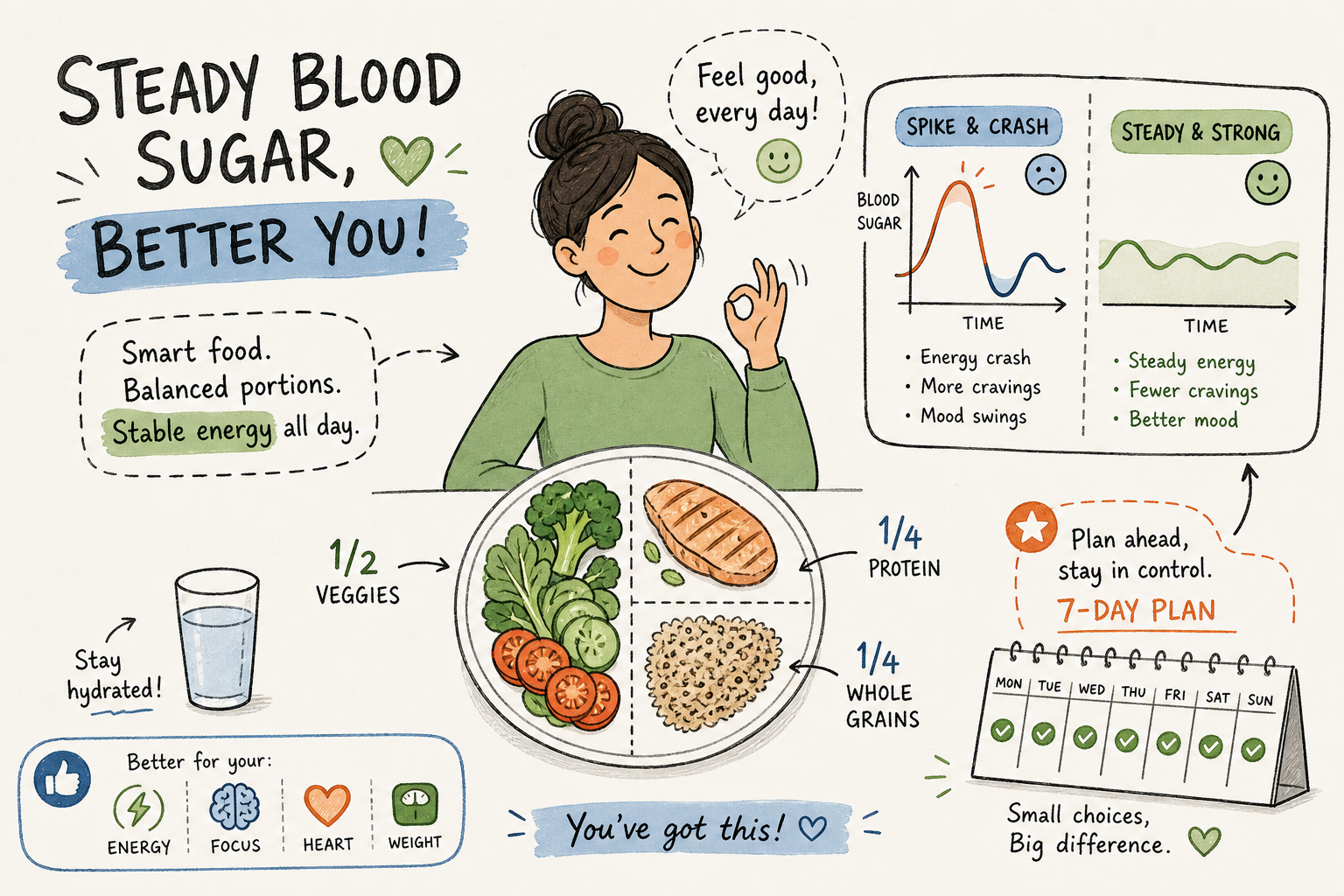
Before listing meals, the DASH portion framework in Bangladeshi terms looks like this: roughly half the plate as vegetables or dal, one quarter as rice or roti, one quarter as fish or legume protein, plus one to two pieces of fruit daily. The sodium target is under one teaspoon of added salt across the entire day. This isn't about tiny portions, it's about balance and ingredient selection within a normal meal size.
Days 1 to 7: a practical starting point
Day 1: Breakfast: red rice with laal shaak bhaji and a small piece of rui mach. Lunch: masoor dal with karola bhaji and brown rice. Dinner: hilsa bhapa (light mustard paste, minimal salt). Snack: one banana. Potassium anchor: dal at lunch, banana at snack time.
Day 2: Breakfast: oats with banana and a small amount of gur. Lunch: mung dal with aloo bhaji and roti. Dinner: mola mach with palang shaak and rice. Snack: plain roasted chickpeas (no added salt). Small whole fish at dinner delivers calcium and magnesium from the bones.
Day 3: Breakfast: roti with mung dal and a boiled egg. Lunch: chana dal with seasonal vegetable bhaji and red rice. Dinner: rui fish curry (low salt) with begun bhaji. Snack: seasonal fruit such as guava or papaya. Two dal servings keep potassium and fiber high across the day.
Day 4: Breakfast: red rice with spinach bhaji. Lunch: kechki mach with potol bhaji and rice. Dinner: vegetable khichuri with minimal salt and a small side of plain yogurt. Snack: banana. Whole small fish at lunch; yogurt at dinner adds low-fat dairy to the DASH framework.
Day 5: Breakfast: oats with fresh fruit. Lunch: masoor dal with laal shaak and brown rice. Dinner: chanda mach curry (light spice, low salt) with rice. Snack: plain roasted chickpeas. Two small-fish servings this week; chickpeas add plant protein without sodium.
Day 6: Breakfast: roti with mung dal and cucumber slices. Lunch: mixed vegetable dal with rice. Dinner: hilsa steamed with minimal mustard and no extra salt. Snack: papaya or guava. Steamed hilsa is the lowest-salt preparation for this fish.
Day 7: Breakfast: red rice with palang shaak bhaji and a boiled egg. Lunch: chana dal with bitter gourd (karola) bhaji. Dinner: rui fish in a light tomato-based curry, low salt, with rice. Snack: banana. Karola (bitter gourd) has a long history of use in traditional Bangladeshi diets and adds micronutrient variety to close the week.
The pattern across all seven days is consistent: dal or small fish as the protein anchor, leafy greens or vegetables covering roughly half the plate, fruit once daily, and added salt kept deliberate and minimal. This isn't a rigid prescription, it's a template you adapt to what's available and affordable in your area.
When food changes alone aren't enough
Signs your hypertension needs a personalized approach
If your blood pressure consistently reads above 140/90 mmHg despite genuine dietary effort over several weeks, a general food guide isn't sufficient on its own. The same applies if you have co-existing conditions like diabetes, kidney disease, or thyroid issues, each of which changes the dietary calculus in specific ways. Recurring headaches, dizziness, or shortness of breath alongside high readings are signals that warrant clinical attention, not just a meal plan adjustment.
Family history matters here too. If hypertension runs strongly in your family, dietary intervention is still valuable and worth starting immediately, but it works best as part of a supervised plan that accounts for your specific labs and baseline health markers, not a one-size-fits-all template.
How ARACO HealthCare's hypertension diet plans make this easier
ARACO HealthCare offers certified nutritionist-designed hypertension diet plans at ৳999, built specifically around Bangladeshi food culture and common local ingredients. These aren't imported meal templates renamed for a local audience; they're plans designed around how Bangladeshi families actually cook and shop, with adjustments for co-existing conditions and seasonal food availability. That level of specificity is what separates a plan that fits your life from one you abandon after a week.
The same platform lets you consult a verified clinician starting at ৳100 per session, which means you can pair your nutrition plan with medical oversight without a hospital visit. For anyone whose blood pressure situation is more complex than "eat less salt and more dal," this is the most practical next step: a plan built for your specific body, your specific labs, and your actual kitchen.
The takeaway: your high blood pressure diet Bangladesh action plan
Managing blood pressure through food in Bangladesh is more achievable than most people expect. The high blood pressure diet Bangladesh framework isn't built on unfamiliar ingredients, it's built on dal, vegetables, small fish, and the potassium in bananas and palang shaak you're likely already buying. The main lever is sodium: reduce it deliberately, cut back on the instant noodles and daily achar that push your intake toward 9 grams a day, and use lemon, garlic, and spices to keep food satisfying without reaching for the salt jar.
Small, consistent changes in what you eat every day move blood pressure in measurable directions. The evidence behind this is solid. Start with one swap this week: replace a packaged snack with roasted chickpeas, or finish your next dal with lemon instead of extra salt. Build from there. And if your situation calls for something more tailored than general guidance, a certified nutritionist who understands Bangladeshi food is now accessible from your phone through ARACO HealthCare.